
Conquering Fear: Martin Macwan on Caste, Resistance, and Social Transformation

Listen on


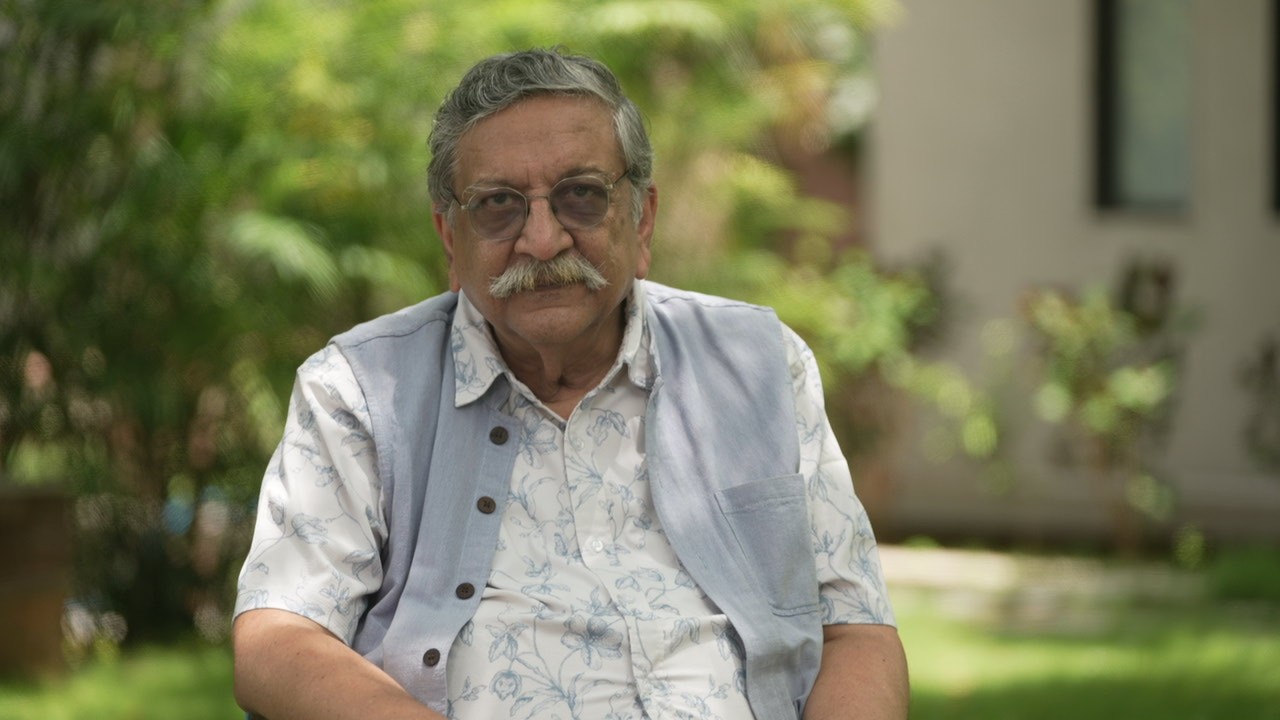
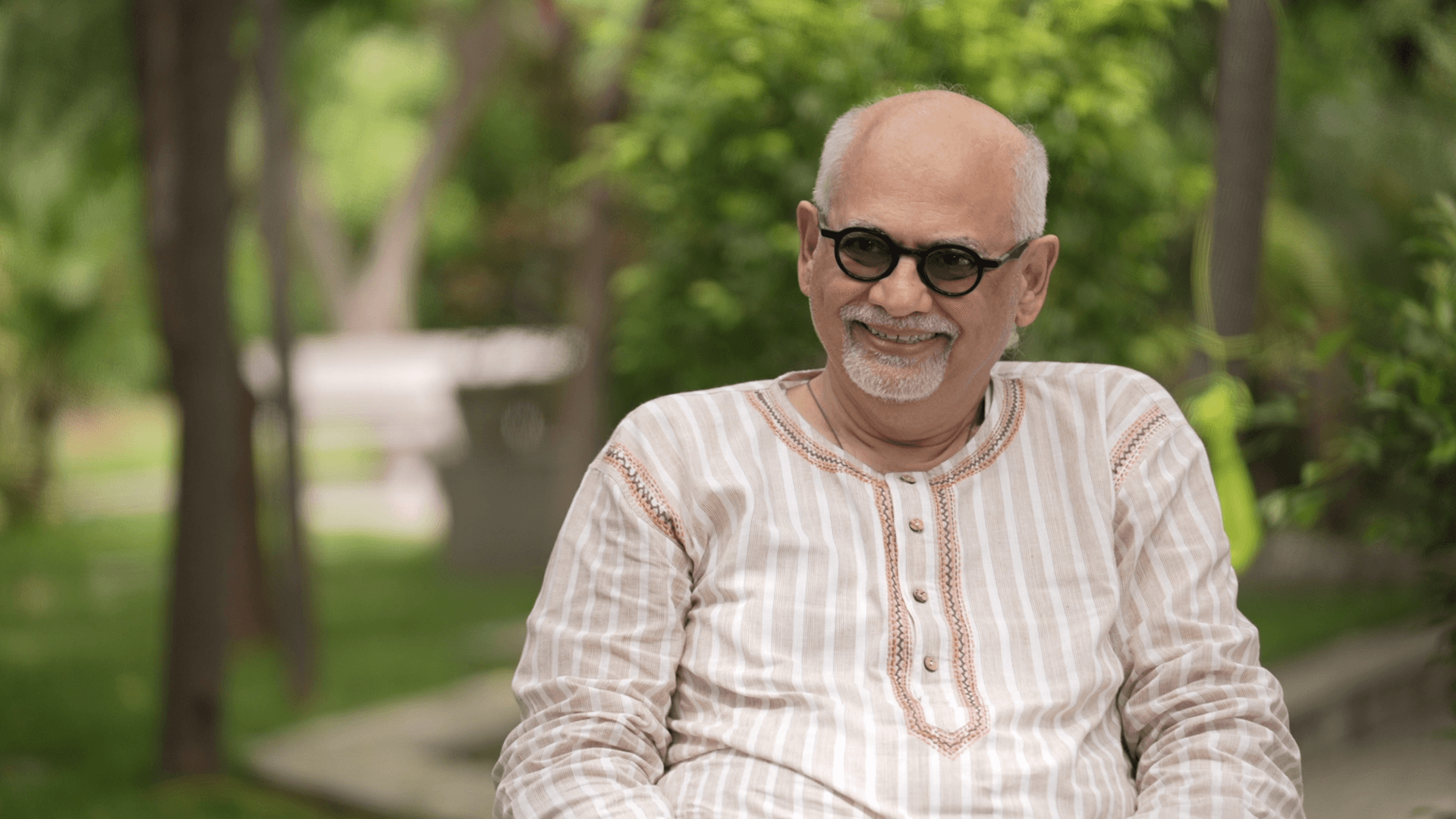
This episode of Unmute, hosted by Gagan Sethi and Minar Pimple, features Martin Macwan, activist, institution builder, and founder of Navsarjan. Drawing on a lifetime of organising against caste discrimination and untouchability, Martin reflects on the experience that shaped his understanding of resistance, self-respect, and collective action. The conversation traces his journey from student activism and grassroots organising to building institutions, using law and constitutional tools, developing creative campaigns that challenge social hierarchies. It explores the relationship between caste and everyday practices, the role of fear in sustaining unequal power, the possibilities and limits of law, divisions within Dalit communities, women’s leadership, and the need to connect local struggles with wider movements. The conversation ultimately turns inward, asking what movements need to sustain themselves: courage, compassion, creative organization, leadership development and continuous introspection.
Key Insights:
I. From Personal Experience to a Politics of Resistance
Everyday experience of inequality can become the starting point for resistance Experiences within family, school, neighbourhoods, and institutions can reveal how inequality operates and create conditions for questioning it.
Self-respect is central to the experience of equality
Equality is not only about access to institutions or resources. Everyday experience of dignity, including something as basic as food, can shape a person’s understanding of what equality should mean.
Leadership begins with taking responsibility
Leadership can emerge through moments when individuals choose to act in response to immediate responsibilities rather than waiting for someone else to intervene.
Inner transformation precedes collective struggle
Confronting one’s own fears, contradictions, and assumptions is an important part of preparing to challenge external structures of injustice.
II. Understanding How Caste is Reproduced
Caste operates through ordinary social practices
Segregated settlements, separate vessels, restrictions on water, and everyday forms of social distance demonstrate how caste can become embedded in routine interactions.
Caste discrimination can also be reproduced within Dalit communities
Caste does not operate only through divisions between Dalits and non-Dalits. Differences and hierarchies among Dalit sub-castes can also reproduce social boundaries, fragment collective identity and make sustained political mobilisation more difficult. The conversation examines how these divisions can undermine solidarity even among communities facing caste discrimination.
Silence can conceal violence and injustice
Majoritarian narratives and community silence can obscure what is actually happening, making it necessary to question accepted accounts of social reality.
Anger can become a resource for resistance, but requires reflection
Anger generated by repeated injustice can drive action, but transforming that anger into purposeful resistance requires reflection and an understanding of its consequences.
III. Institutions, Movements, and the Challenge of Fear
Social Movements need institutions to sustain collective action
Grassroots mobilisation requires organizational structures capable of supporting sustained action, legal work, and leadership development.
Institutional preservation can weaken a movement
Organisations can lose their transformative purpose when protecting the institution becomes more important than remaining accountable to the communities and struggles they represent.
Conquering fear is central to collective power
Fear can prevent communities from exercising rights even when those rights formally exist. Collective action can begin to shift this relationship between fear and power.
Changing the perception of fear can change power relations
Making resistance visible, rather than secretive, can alter how both oppressed communities and those exercising power understand their respective positions.
IV. Building a Wider Politics of Equality
A movement against caste cannot be confined to fixed identities
A politics committed to the annihilation of caste can create space for people across caste and social boundaries who are willing to challenge injustice.
Collective action can create new relationships across caste boundaries
Acts of solidarity can challenge deeply embedded social boundaries and create relationships that would otherwise remain difficult to imagine.
Women can transform the terms of social movements
Women’s participation can challenge established patterns of compromise and bring a different form of uncompromising leadership to collective struggles.
Grassroots leadership is built through local organisation
Sustained change depends on developing leadership within communities rather than relying primarily on established urban leadership structures.
V. Law, Justice, and Limits of Formal Rights
Legal rights, compensation and the limits of formal justice
Laws can provide important tools for challenging injustice, but their effectiveness depends on implementation, legal knowledge, and sustained community mobilisation. The conversation examines the limits of monetary compensation in addressing structural caste injustice.
Representation does not automatically produce collective political action
The conversation questions whether formal political representation has fulfilled its transformative potential. The presence of elected representatives from Scheduled Caste communities does not necessarily translate into collective action issues such as land, manual scavenging or caste atrocities when representatives remain divided across political parties. This raises a deeper question about the relationship between representation, political solidarity, and the unfinished project of democratic empowerment.
Data and documentation can become tools of political contestation
Research and documentation can make patterns of discrimination visible and become resources for advocacy, legal action, and public debate.
VI. Challenging Caste Through Culture and Creativity
Social movements need cultural imagination
Campaigns can challenge injustice not only through conventional protest and legal action but also through symbols, stories, performances, and creative public interventions.
Historical memory can connect past struggles with contemporary politics
The Megh Maya campaign used a historical narrative to raise questions about the unfinished promise of an untouchability-free India and connect memory with contemporary public debate.
Creative protest can challenge the symbols of discrimination
The use of culturally resonant objects and unexpected forms of protest can expose the absurdity of discriminatory practices and generate wider public attention.
VII. From Everyday Acts to Structural Transformation
Social Change is often visible through small shifts in everyday power
Structural transformation does not always appear as a dramatic event. Changes in who can enter a home, speak in a public meeting, or exercise authority can signal deeper shifts in social relations.
Grassroots leadership can challenge established authority
Leadership can emerge from people who initially appear hesitant or marginal when collective spaces provide the confidence and support to question established authority.
Struggles against injustice are connected across contexts
Movements can learn from and build solidarity with struggles beyond their immediate social or geographic context, while maintaining a focus on challenging structures of injustice.
VII. The Future of Movements: Leadership, Resources and Introspection
The relationship between capital and state power presents a challenge to grassroots democracy
The increasing role of money in local political processes raises questions about who can participate in and exercise influence within democratic institutions.
Movements need to invest in the next generation
Sustaining social movements requires deliberate investment in young grassroots leaders, including young women, rather than assuming that leadership will reproduce itself.
Introspection is part of collective practice
Movements require spaces to reflect on their own practices, values, failures, and contradictions. Action without reflection can weaken the ability to learn and renew collective work.
Resources reveal collective priorities
How communities choose to use scarce resources can reveal what they value collectively. The conversation raises the question of whether resources can be redirected towards forms of collective emancipation.
Courage, compassion, and introspection sustain movements
Long-term social transformation requires more than resistance alone. It calls for courage to confront fear, compassion in relationships, the capacity for self-questioning, and sustained investment in human capacity.
References & Resources:
Martin Macwan: https://idronline.org/features/social-justice/an-interview-with-martin-macwan-anti-caste-and-human-rights-activist/
Navsarjan Trust: https://navsarjantrust.wordpress.com/navsarjans-history/
Navsarjan Work: https://www.europarl.europa.eu/meetdocs/2009_2014/documents/droi/dv/201/201102/20110228_508navsarjan_en.pdf
Dalit Shakti Kendra: https://dalitshaktikendra.wordpress.com/
“Your Biggest Enemy is your fear”- https://idronline.org/article/perspectives/what-is-civil-societys-purpose/
Dr. Babasaheb Ambedkar Writings and Speeches: https://baws.in/?filterBy=English&sortBy=Default
Savitribai Phule: https://en.wikipedia.org/wiki/Savitribai_Phule
Mahatma Jyotirao Phule: https://www.bamcef.org.in/mahatma-jyotirao-phule/
Satyashodhak Samaj: https://thesatyashodhak.com/satyashodhak-samaj-modern-indias-first-organised-challenge-to-brahmanism/
Books on Mahatma Jyotirao Phule & Savitribai Phule: https://jaibhimonlinestore.com/product-category/books-alltype/books-on-phule/
Concept of Culture of Silence by Paulo Freire: https://courses.freire.org/concepts-used-by-paulo-freire
Shahuji Maharaj: A Leader Who Rewrote the Rules of Society: https://livewire.thewire.in/livewire/shahuji-maharaj-a-leader-who-rewrote-the-rules-of-society/
Shahu ji Maharaj: The saviour king of the Backwards and Dalits: https://www.forwardpress.in/2018/05/shahu-ji-maharaj-the-saviour-king-of-the-backwards-and-dalits/
Who was Periyar? Human Rights Defender Profile: https://cjp.org.in/who-was-periyar/
Periyar’s anti caste politics, in his own words (Frontline Article): https://frontline.thehindu.com/books/periyar-speeches-review-caste-dalit-self-respect/article71475779.ece
Sree Narayan Guru: https://www.leftviews.in/peoples-history/peoples-leaders-56111/sree-narayana-guru-caste-social-reform-humanist-legacy-81350
Understanding Untouchability- A Comprehensive Study of Practices and Conditions in 1589 villages: https://archive.crin.org/en/docs/Untouchability_Report_Navsarjan_2010.pdf
Lesser Humans: https://www.youtube.com/watch?v=AAd8zczZn8Y
The Scheduled Castes and The Scheduled Tribes (Prevention of Atrocities) Amendment Act, 2015: https://prsindia.org/files/bills_acts/acts_parliament/2015/scst-(prevention-of-atrocities)-act,-2015.pdf
World Congress against Racism, Racial Discrimination, Xenophobia, and Related Intolerance, Durban, 2001: https://www.un.org/en/conferences/racism/durban2001
Pheroz Tehmurasp Contractor: https://www.counterview.net/2021/02/prof-pheroz-tehmurasp-contractor-silent.html?m=1&hl=en_IN
Behavioural Science Centre: https://hdrc-sxnfes.org/about-us/history/
Namdeo Dhasal’s new Language (EPW): https://www.epw.in/engage/article/namdeo-dhasals-new-language-reflection-conscience
In the search of Namdeo Dhasal: https://www.sahapedia.org/search-of-namdeo-dhasal
FCRA:https://prsindia.org/billtrack/the-foreign-contribution-regulation-amendment-bill-2026
Soap Campaign: https://www.counterview.net/2017/06/gujarat-dalit-activists-display-125-kg.html
Coin Campaign: https://www.counterview.net/2021/03/gujarat-coin-campaign-to-end.html
Constitution of India: https://www.legislative.gov.in/static/uploads/2025/07/ca7ce5c746fa7480804bbdeb6cb704f0.pdf
Question of Cities: https://questionofcities.org/