
Inside India’s Women’s Movement: Conversations on Feminism and Change
Listen on


Episodes Summary
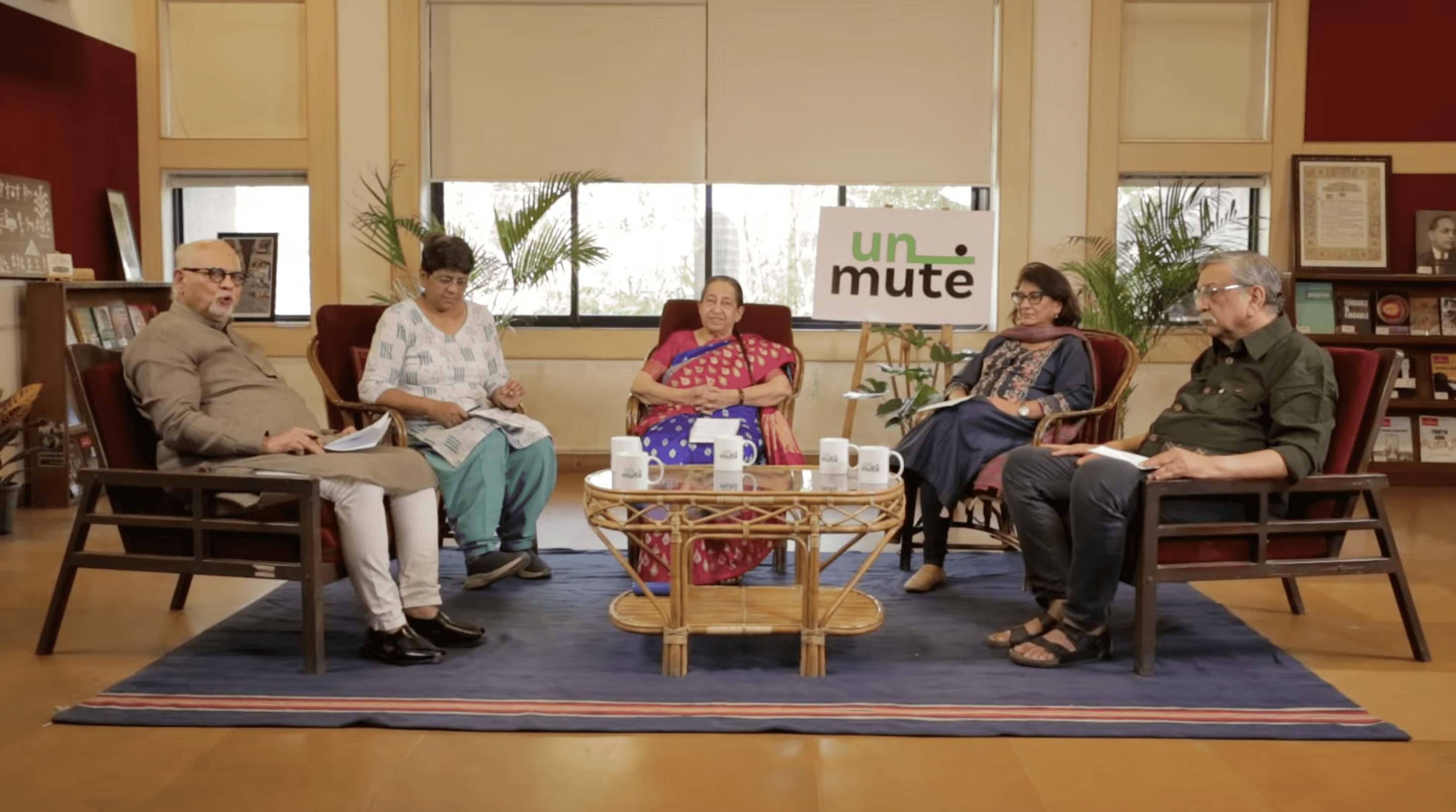
In this episode of Unmute, hosts Gagan Sethi and Minar Pimple are joined by Sharda Sathe, Nandita Shah, and Hasina Khan for a reflective conversation on the journeys and debates within India’s women’s movement. The discussion traces its roots in anti-caste and social reform traditions inspired by thinkers such as Jyotirao Phule and B. R. Ambedkar, and explores how feminist organising since the 1970s has linked gender justice with caste, class, religion, and economic inequality.
The panel also reflects on present-day challenges—rising identity politics, shrinking civic space, and the need for deeper inclusion within movements themselves. The episode highlights why dialogue, solidarity, and democratic engagement remain essential for building more intersectional and inclusive pathways for gender justice
Key Highlights
Historical Roots of Feminist Thought in India
The influence of anti-caste reformers such as Jyotirao Phule, Savitribai Phule, and Dr. B.R. Ambedkar in shaping early ideas about women’s equality and social justice.
Emergence of the Autonomous Women’s Movement (1970s onward) Grassroots mobilisation around issues such as violence against women, labour rights, and access to justice helped shape a new feminist political consciousness.
From Moral Reform to Structural Analysis Feminist discourse evolved from religious or moral arguments about women’s welfare toward deeper critiques of patriarchy, caste, class, and economic systems.
Movement vs Institutionalisation Debate around whether social movements become constrained when they transform into funded organisations and NGOs.
Language, Knowledge, and Accessibility The importance of communicating feminist ideas in regional languages and accessible formats rather than limiting discourse to academic or English-language spaces.
Intersectionality in the Women’s Movement Recognition that gender justice must engage with issues of caste, religion, labour, sexuality, and marginalised communities.
Economic Policies and Women’s Lives Privatisation, liberalisation, and globalisation have reshaped labour markets and social protections, significantly impacting women’s economic conditions.
Collective Culture of Feminist Movements Songs, publications, community meetings, and grassroots education played an important role in building feminist consciousness.
Key Resources & References
Stree Mukti Sanghatana https://streemuktisanghatana.org/
Akshara Centre https://aksharacentre.org/
50 years of Stree Mukti Sanghatna https://www.youtube.com/watch?v=mH0XPHLIIeU
Hasina Khan https://www.ashoka.org/en-th/fellow/hasina-khan
Legacy of Mahatma Jyotiba Phule on Women's Empowerment https://www.ijrar.org/papers/IJRAR23A1007.pdf
Savitribai Phule Pioneer of Women Empowerment https://www.amazon.in/Savitribai-Phule-Pioneer-Women-Empowerment/dp/9382968709
Rajarshi Chhatrapati Shahu Maharaj: The Sovereign Of Equality https://www.amazon.in/Rajarshi-Chhatrapati-Shahu-Maharaj-Biography-ebook/dp/B0DY4P5Q4V
Dr. B.R. Ambedkar And Women'S Empowerment https://www.amazon.in/Dr-B-R-Ambedkar-WomenS-Empowerment/dp/818376357X
The Legacy Of Dr. B.R Ambedkar: Ambedkarism And Women https://tinyurl.com/vbm4d8wv
Constitution of India https://www.india.gov.in/my-government/constitution-of-india
The Second Sex by Simone de Beauvoir https://www.amazon.in/Second-Vintage-Feminism-Short-Editions/dp/1784870382
Seeing Like a Feminist https://www.penguin.co.in/book/seeing-like-a-feminist/
UN Women - https://www.unwomen.org/en
World Conferences on Women https://www.unwomen.org/en/how-we-work/intergovernmental-support/world-conferences-on-women
First UN Conference on Women https://www.un.org/en/conferences/women/mexico-city1975
Towards Equality Report https://ruralindiaonline.org/en/library/resource/towards-equality-report-of-the-committee-on-the-status-of-women-in-india/
National Commission for Women https://ncw.nic.in
India Gender Report https://www.feministpolicyindia.org/documents/resources/India-Gender-Report-2024.pdf
India – A Gender Equity Report https://genderhealthdata.org/wp-content/uploads/2024/03/India-Gender-Report-website.pdf
World Bank – Female Labour Force Participation https://data.worldbank.org/indicator/SL.TLF.CACT.FE.ZS
UN Women – Gender Equality Reports https://www.unwomen.org/en/digital-library
Guest
Sharda Sathe: A veteran feminist activist and co-founder of Stree Mukti Sanghatana, she has worked for decades on issues of women’s rights, labour justice, and grassroots organising in Maharashtra.
Nandita Shah: A feminist scholar-activist and co-founder of Akshara Centre, she has worked extensively on gender justice, feminist research, and advocacy on violence against women.
Hasina Khan: A women’s rights activist and founder of Bebaak Collective, known for her work on minority rights, secularism, and gender justice.
Hosts
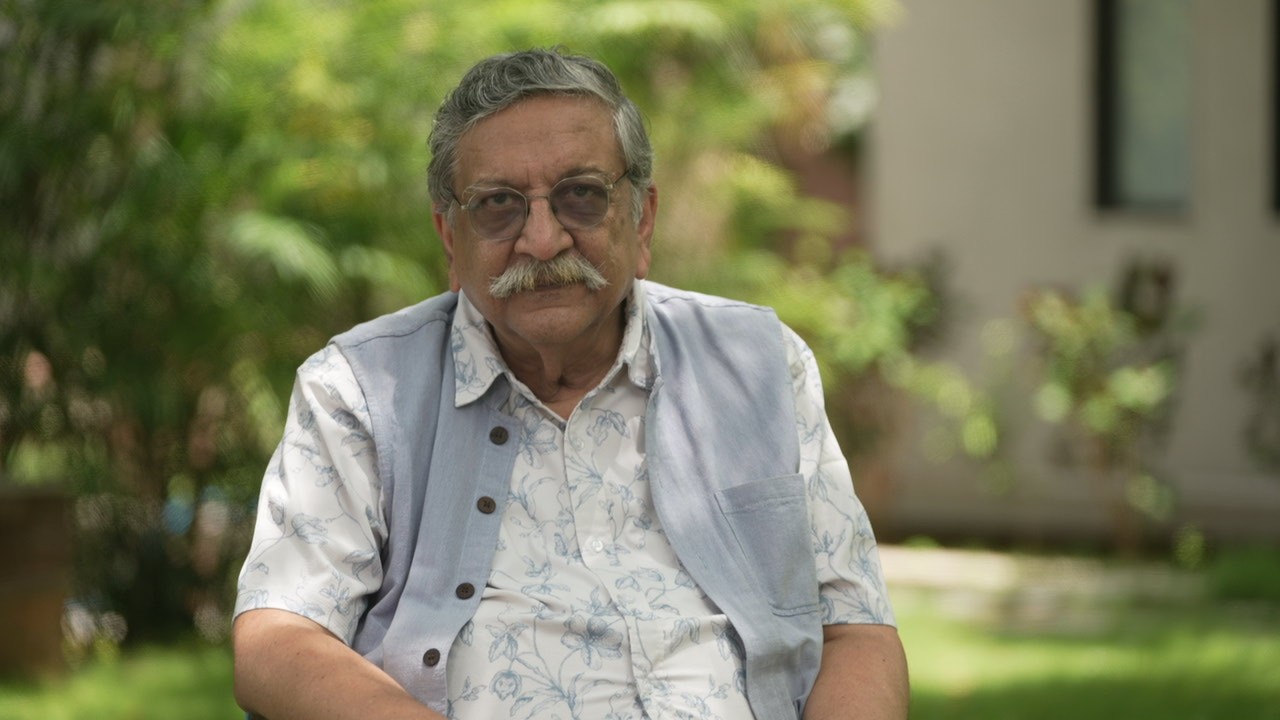
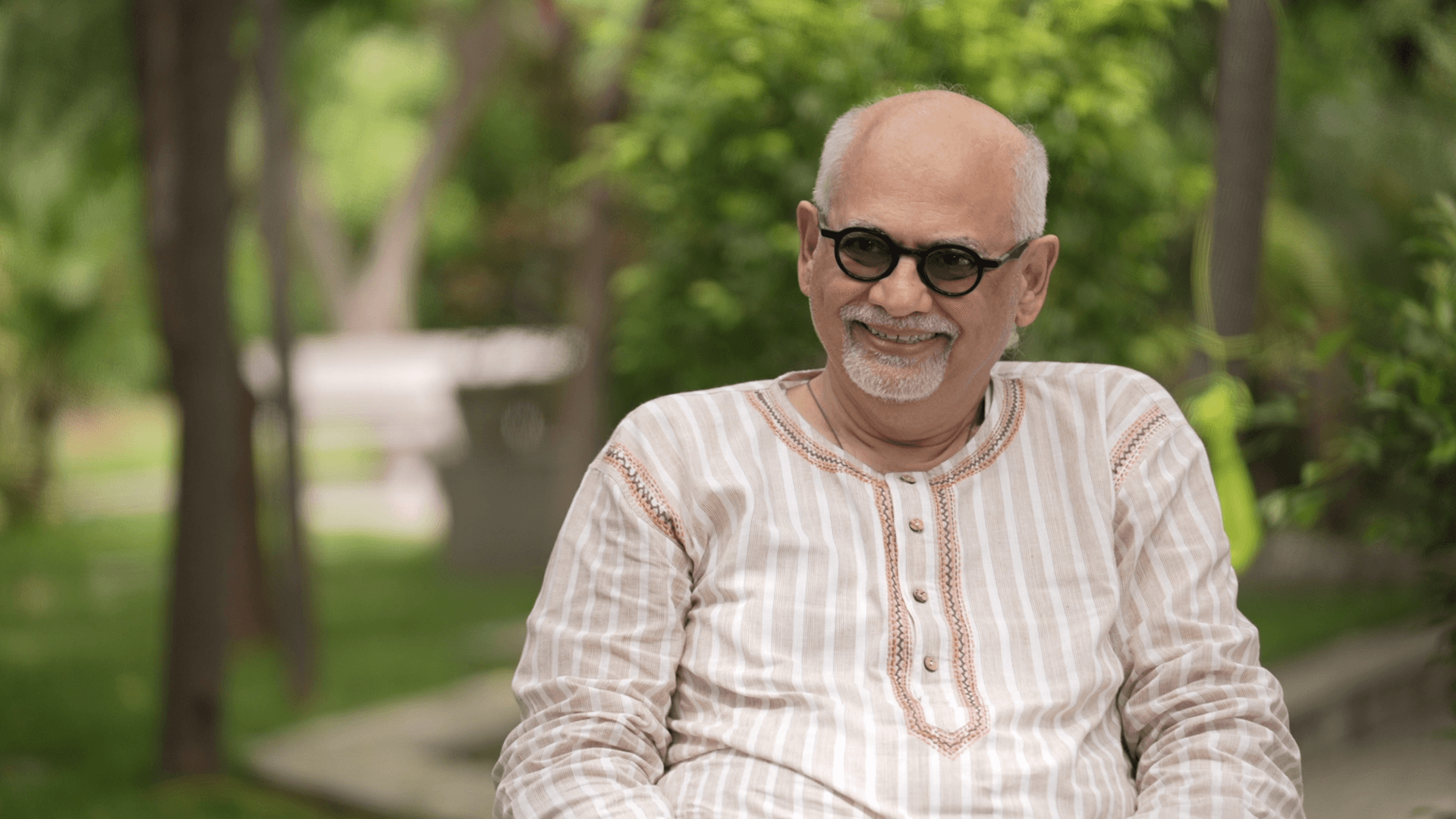
Gagan Sethi: Development practitioner with 40+ years of experience in organisational development, policy advocacy, and minority rights.
Minar Pimple: Founder of YUVA (Youth for Unity and Voluntary Action), and former senior Director at Amnesty International, Regional Director- Asia Pacific (UN Millennium Campaign) and Founding Chair, Oxfam India.